Review: Wildlife Crow Embroidery Files for Business
As an embroidery designer who has spent years digitizing and testing designs for commercial use, I approach every new machine embroidery design with a critical eye. It is not enough for a pattern to look pretty on a screen; it must perform under the needle, withstand washing, and elevate the brand it represents. Recently, I evaluated the Wildlife Crow Embroidery Files to determine their viability for small business merchandise, branded patches, and custom apparel. This review focuses on how this specific digital embroidery file functions in a real-world production environment, moving beyond simple decoration to serve as a strategic asset for brand identity.
First Impressions: Visual Personality and Professionalism
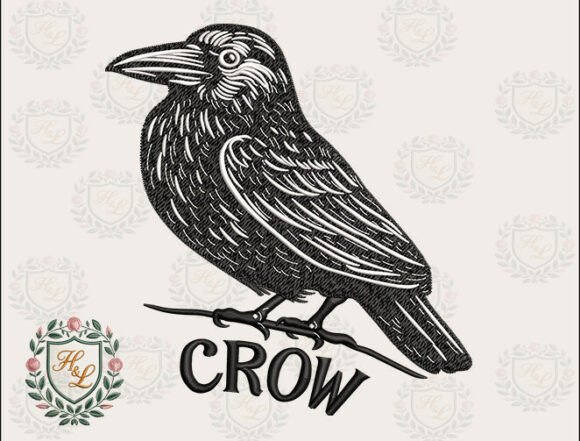
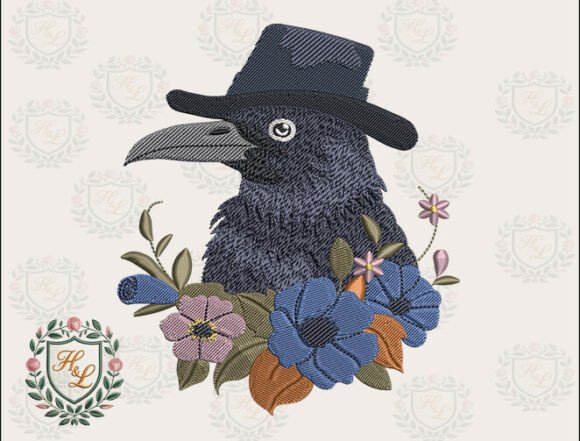
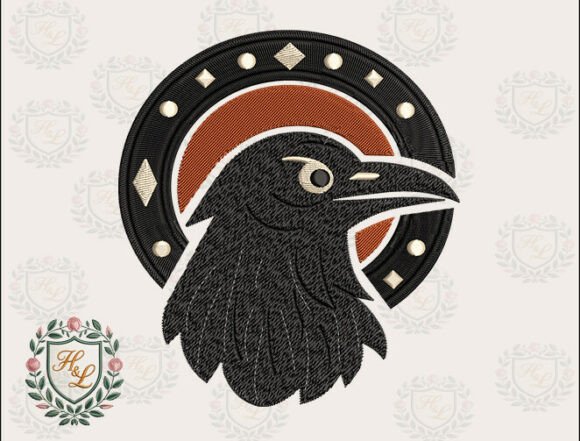
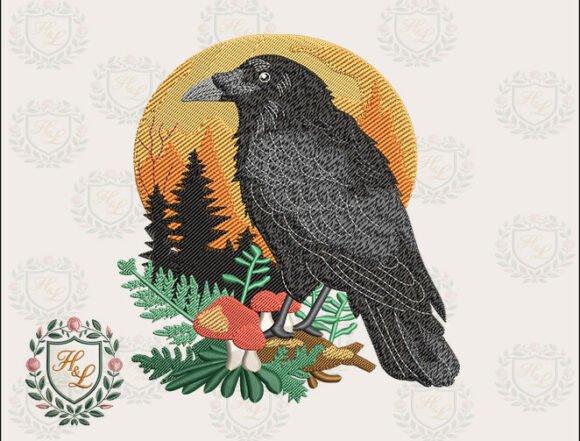
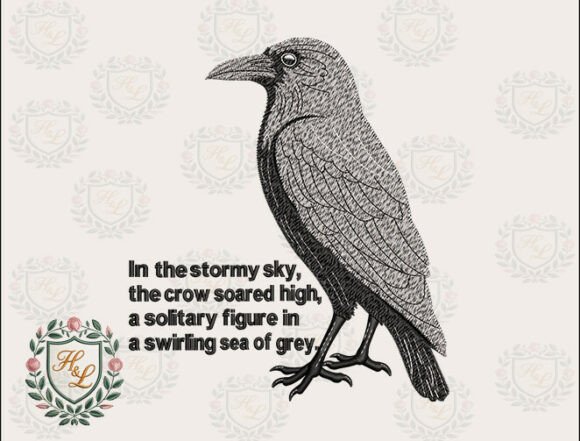
The first thing that strikes you about the Wildlife Crow Embroidery Files is its distinct visual personality. Crows are often associated with mystery, intelligence, and nature, making this design particularly suitable for brands that want to project a rustic, organic, or slightly edgy aesthetic. Unlike generic bird motifs that can feel overly cute or childish, this design leans into a more mature, naturalistic vibe. For a boutique coffee shop, a local florist, or an outdoor gear retailer, this imagery aligns perfectly with a brand identity that values authenticity and connection to the environment.
The description highlights that this is a high-quality digital appliqué design. From a designer’s perspective, appliqué is a smart choice for larger areas of color because it reduces stitch count and prevents the fabric from becoming stiff or puckered. This suggests that the Wildlife Crow Embroidery Files are engineered with production efficiency in mind, which is crucial for small business owners who need to manage thread costs and machine time effectively.
Real-World Application for Small Business Merch
When integrating a new design into your product line, versatility is key. I tested the potential applications of this embroidery file across various common merchandise items. Here is how it performs in specific business scenarios:
- Branded Patches: This is perhaps the strongest use case. The crow motif works exceptionally well as an embroidered patch for jackets, backpacks, or hats. Patches allow for pre-production quality control and can be applied to garments later, reducing waste. The bold lines of a crow silhouette translate well to the textured surface of twill or felt backing.
- Staff Uniforms and Aprons: For cafés and bakeries, apron embroidery is a subtle yet powerful branding tool. Placing the crow design on the chest pocket or lower corner of a canvas apron adds a touch of artisanal charm. It signals to customers that the staff takes pride in their craft, enhancing the overall customer experience.
- Tote Bag Design: Reusable tote bags are a staple for eco-conscious brands. The Wildlife Crow Embroidery Files can serve as a central focal point on a canvas tote. Because crows are recognizable silhouettes, the design remains legible even from a distance, making it an effective mobile advertisement for your shop.
- Cap Embroidery: Caps require careful consideration due to the curved surface and limited space. If the design includes intricate feather details, it may need simplification for a standard cap front. However, a simplified version of the crow could work beautifully as a side-panel accent or on a dad hat, appealing to a younger demographic.
Technical Considerations and Stitch Density
While the aesthetic appeal is strong, technical execution determines the longevity of the finished product. One must consider stitch density and thread colors. Crows are naturally black, which presents a unique challenge in embroidery. Black thread can sometimes appear flat or lose detail if the lighting is poor. To counter this, I recommend using a slight sheen thread, such as rayon or high-quality polyester, to catch the light and define the shape.
Furthermore, when working with dark uniforms or black fabric, the design needs contrast. If the crow is black, you might need to add a white or metallic border to ensure it stands out. This is where the flexibility of the design assets comes into play. You must check if the file allows for easy color changes or if it includes multiple variations. Always test the design on the actual fabric you intend to use. Fabric texture plays a huge role; a rough linen will swallow small stitches, while a smooth satin will highlight them.
Another critical factor is the hoop size. Ensure that the design fits within your standard hoop dimensions without requiring excessive re-hooping, which can lead to misalignment. For larger pieces like tote bags, a bigger hoop is necessary, but for patches, a smaller 4x4 inch hoop might suffice. Always confirm these specifications before starting a bulk production run.
Brand Identity and Customer Trust
Using a cohesive visual language across all touchpoints builds brand recognition. The Wildlife Crow Embroidery Files can become a signature element of your brand. When customers see the same high-quality embroidered crow on their receipt bag, their shirt, and their loyalty card, it reinforces professionalism and attention to detail. This consistency builds trust. A sloppy embroidery job, with loose threads or poor registration, can damage a brand’s reputation. Conversely, a crisp, well-executed crow design elevates the perceived value of the handmade product.
For Etsy sellers and crafters, offering customized items with this design can increase buyer engagement. Customers love personalization. Imagine offering a tote bag with the crow design and the customer’s initials stitched below it. This transforms a standard item into a bespoke keepsake, justifying a higher price point and fostering emotional connection.
Practical Designer Notes for Production
Before you commit to using the Wildlife Crow Embroidery Files for commercial embroidery projects, follow these practical steps to ensure success:
- Test in Black and White First: Before investing in colored threads, stitch out the design in black and white to check for clarity and definition. This helps identify any areas where stitches may merge or gaps may appear.
- Check Scalability: Verify if the design holds up at smaller sizes. If you plan to use it on a sleeve or a small patch, ensure the details do not become indistinguishable blobs of thread.
- Use Proper Stabilizer: Appliqué designs require stable backing to prevent shifting. Use a cut-away stabilizer for stretchy fabrics like t-shirts and a tear-away for woven materials like tote bags.
- Create a Printable Mockup: Before stitching, create a digital mockup to show clients or stakeholders. This helps manage expectations and allows for adjustments before physical production begins.
- Confirm Commercial Licensing: Always read the license terms associated with the digital embroidery file. Ensure you have the right to use the design for physical goods sold in your store. Never assume; always verify.
Final Verdict
The Wildlife Crow Embroidery Files offer a compelling option for businesses looking to add a touch of nature-inspired elegance to their merchandise. Whether used for apron embroidery, branded patches, or tote bag accents, the design has the potential to enhance brand identity and product value. However, success depends on careful technical execution. By paying attention to stitch density, fabric texture, and proper stabilizer use, you can transform this digital asset into a stunning physical product. For small business owners and embroidery shops, this design is a worthwhile addition to your library, provided it aligns with your brand’s aesthetic and quality standards.