Chocolate Kiss Machine Embroidery Design Review
As an embroidery designer who spends countless hours digitizing and stitching for both personal projects and commercial clients, I am always on the lookout for design assets that balance aesthetic appeal with technical reliability. Recently, I evaluated the Chocolate Kiss Machine Embroidery Design available on Creative Fabrica to determine if it is a viable addition to my library for upcoming seasonal orders. With Valentine's Day and anniversary seasons approaching, having a romantic yet versatile motif is essential for any small business owner or creative entrepreneur looking to expand their product line.
First Impressions and Visual Mood
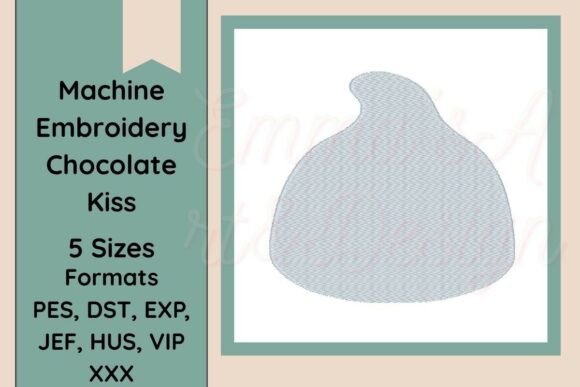
Upon opening the preview files for the Chocolate Kiss Machine Embroidery Design, the immediate impression is one of classic romance mixed with a playful touch. The visual mood leans heavily into the nostalgic iconography of foil-wrapped candies, which instantly evokes feelings of sweetness and affection. For a designer, the appeal lies in how the digitizer has handled the transition between the "foil" wrapper and the chocolate base. A poor digitization here can look flat, but this design appears to utilize a clever mix of satin stitch for the smooth chocolate areas and potentially textured fill stitch patterns to mimic the crinkled nature of the wrapper.
The decorative appeal of this machine embroidery design is its versatility. While it is categorized under Valentine S Day, the imagery is timeless enough for anniversaries, bridal showers, or even general "treat yourself" themed collections. It does not scream "holiday only," which increases its utility for year-round handmade product creation. The level of detail suggests it was created with modern high-speed machines in mind, aiming for a clean finish that requires minimal trimming.
Performance in Real-World Applications
When considering this embroidery file for real customer orders, I mentally mapped it across various substrates. Here is how I anticipate the Chocolate Kiss Machine Embroidery Design performing in specific scenarios:
- Custom Apparel and Sweatshirts: This is likely the strongest use case. The bold shapes of the kiss design stand out beautifully against the heavy fabric of a sweatshirt. For sweatshirt embroidery, the design offers a focal point that doesn't get lost in the fleece texture.
- Tote Bags and Aprons: Canvas and cotton twill provide a stable base for the stitch density required here. A tote bag design featuring this motif would make an excellent gift for teachers or bakery owners.
- Kitchen Towels and Pillow Covers: For home decor, the design adds a whimsical touch. However, items like kitchen towels undergo frequent washing, so the integrity of the stitching will be tested.
- Caps and Patches: Applying this to a curved cap surface requires careful hooping. If the design includes fine details in the wrapper folds, these might get lost on a structured cap unless the hoop size and placement are perfectly calibrated.
- Etsy Listings and Craft Fairs: For digital product sellers or those selling finished goods, this asset allows for quick creation of printable mockup images to test market interest before committing to physical production.
Technical Considerations for Commercial Use
Before running a production batch for a client, there are several practical factors to address. The Chocolate Kiss Machine Embroidery Design likely contains areas of varying density. Dense stitch areas, particularly where the foil wrapper overlaps the chocolate, can cause fabric puckering if the wrong stabilizer is used. For stretchy fabrics like jersey knits used in t-shirts, a cut-away stabilizer is non-negotiable to prevent distortion over time.
Thread color selection is another critical element. To achieve the metallic look of the foil, you may need to experiment with specific thread colors or even metallic threads. However, metallic threads can be prone to breaking at high speeds. If you are doing commercial embroidery with tight deadlines, sticking to high-quality rayon or polyester with a sheen might be a safer bet than true metallic thread, provided the color match is close.
Furthermore, if the design includes any tiny lettering or intricate running stitch outlines, these must be inspected closely on scrap fabric first. Small details can easily disappear on textured fabrics like terrycloth towels. Always compare light and dark fabric mockups; a design that pops on white linen might vanish on a dark navy hoodie unless underlay stitches are sufficient.
Impact on Product Value and Branding
Incorporating high-quality designs like the Chocolate Kiss Machine Embroidery Design directly affects buyer trust and perceived value. A clean, well-executed embroidery job signals professionalism. For boutique merchandise, the "giftability" of an item often hinges on the visual appeal of the decoration. This specific design, with its recognizable shape, creates an instant emotional connection, which can drive customer engagement on social media platforms.
For brand consistency, using a cohesive set of design assets from a single source like Creative Fabrica embroidery collections can help maintain a unified look across your shop. Whether you are creating an embroidered patch to sell as an add-on or a personalized gift set, the quality of the source file dictates the quality of the finished product.
Final Verdict and Best Practices
The Chocolate Kiss Machine Embroidery Design appears to be a solid choice for designers looking to capitalize on romantic themes without resorting to cliché hearts. Its potential extends beyond February 14th, making it a worthwhile investment for a diverse portfolio.
However, before integrating this into your workflow, adhere to these best practices:
- Test on Scrap Fabric: Always stitch a sample on the exact material you intend to sell. Check for pull compensation and registration.
- Review Stitch Density: Ensure the density isn't too high for lightweight fabrics, which could lead to stiffness or tearing.
- Confirm Hoop Size: Verify that the design fits within your available hoop sizes, especially if working with smaller items like baby bibs or pockets.
- Check Licensing: Before selling finished items, confirm the license terms on the Creative Fabrica product page. Most allow commercial use of finished physical goods, but restrictions on redistributing the digital file itself are standard.
- Inspect Details: After stitching, trim jump threads carefully and inspect small details to ensure no loose ends compromise the look.
In conclusion, for those seeking a reliable digital embroidery file that balances charm with technical feasibility, this design holds significant promise. By paying attention to stabilizer choices and thread contrasts, you can elevate simple blanks into premium custom apparel and gifts that resonate with customers.