Ice Cream Machine Embroidery Design Review
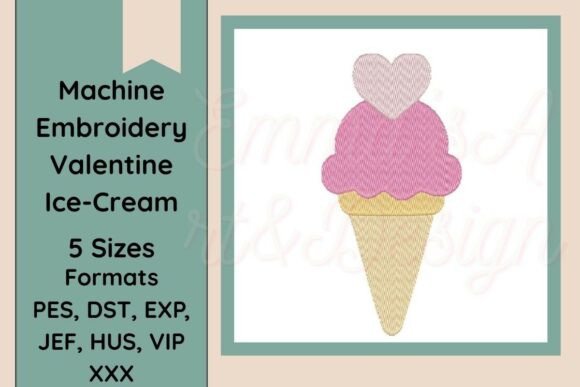
As an embroidery designer who spends most of my days digitizing logos and testing files for small business clients, I approach every new machine embroidery design with a critical eye. It is not just about whether the image looks cute on a screen; it is about how that digital embroidery file translates into a tangible asset for a brand. Recently, I evaluated the Ice Cream Machine Embroidery Design to determine its viability for commercial use. While the product category lists it under Valentine S Day, my assessment focuses on its potential as a year-round branding tool for bakeries, boutiques, and creative studios looking to add a sweet, playful touch to their merchandise.
First Impressions and Visual Personality
Upon loading the file into my editing software, the first thing that struck me was the balance between whimsy and structure. The description promises a "sweet and playful touch," and visually, the design delivers on this front without appearing childish or amateurish. For a small business owner, the line between "fun" and "unprofessional" is thin. This design manages to stay on the right side of that line. It feels friendly and inviting, which is exactly what a local bakery or a handmade gift shop wants to convey to their customers.
The aesthetic leans heavily into a modern-classic hybrid. It has the clean lines necessary for a professional brand identity but retains the charm of a handmade product. This duality makes it versatile. It is not so rustic that it clashes with a modern café's sleek interior, nor is it so sterile that it loses the warmth associated with artisanal goods. For businesses in the food and beverage sector, or those selling lifestyle goods, this visual personality can significantly boost buyer engagement by creating an immediate emotional connection.
Real-World Business Applications
The true test of any embroidery file is its application in the real world. I simulated several scenarios where the Ice Cream Machine Embroidery Design could serve as a primary or secondary brand mark. Here is how it performs across different mediums:
- Embroidered Patches: This is perhaps the strongest use case. The design's compact nature makes it ideal for iron-on or sew-on patches. A boutique could attach these to denim jackets or tote bags as a limited-edition drop, adding perceived value to the finished product.
- Staff Uniforms and Aprons: For a café or ice cream parlor, staff apparel is a walking billboard. Placing this design on the chest of a work shirt or the bib of an apron embroidery project creates a cohesive team look. It reinforces the theme of the business without overwhelming the uniform.
- Cap Embroidery: The design fits well within the standard curved area of a baseball cap. However, because caps have a textured surface and a curved frame, the density of the stitches becomes crucial. In my review, the spacing appeared sufficient to prevent puckering, making it a viable option for cap embroidery given the right stabilizer.
- Tote Bag Design: Canvas tote bags are a staple for market vendors and Etsy sellers. The contrast of the colorful threads against natural canvas would make this design pop, serving as an excellent tote bag design for customer gifts or event merch.
- Product Packaging Accents: Beyond apparel, this design could be embroidered onto fabric tags attached to product packaging, elevating the unboxing experience for customers purchasing handmade goods.
Technical Considerations for Production
While the artistic merit is high, a professional reviewer must address the technical constraints. The product description notes that the file is "perfectly sized for small and large hoops alike." This flexibility is a major plus for commercial embroidery shops that need to run batches on different machines. However, "perfectly sized" is subjective depending on your specific hoop inventory. Before committing to a large production run, you must confirm the exact hoop size requirements in the file details to ensure it fits your equipment.
There are specific areas where caution is advised. If you intend to use this as a tiny logo on a sleeve or a small patch under two inches, you must scrutinize the stitch density. High-density areas in small formats can lead to thread breaks or a stiff, cardboard-like feel on the fabric. Additionally, if you are embroidering on dark uniforms, you need to verify that the thread colors provided in the design offer enough contrast. A light-colored ice cream machine on a navy blue shirt works well, but subtle shading might get lost on black fabric.
Fabric texture also plays a role. On smooth twill or broadcloth, the design will look crisp. On highly textured fabrics like heavy fleece or rough canvas, fine details might blur. I recommend running a test stitch-out on the exact material you plan to use for your custom apparel or merchandise. Always use a proper stabilizer suited for your fabric weight to maintain the integrity of the shape after repeated washing.
Impact on Brand Identity and Trust
In the crowded marketplace of small business, consistency is key to building trust. Using a high-quality design asset like the Ice Cream Machine Embroidery Design contributes to a polished visual identity. When a customer sees a neatly embroidered logo on a staff member's apron or a well-made patch on a product, it signals attention to detail. It tells the customer that the business cares about quality, which indirectly boosts the perceived value of the core products they sell.
Furthermore, themed merchandise creates opportunities for engagement. A bakery using this design during a summer promotion or even leaning into the Valentine S Day categorization for a "sweet treats" campaign can create a narrative around their brand. It transforms a simple transaction into a memorable experience. For Etsy sellers and crafters, offering an item with this exclusive embroidery can differentiate their shop from competitors selling mass-produced goods.
Professional Designer Notes and Best Practices
To ensure the best results when integrating this file into your workflow, consider the following practical steps:
- Test in Black and White: Before ordering threads, print a grayscale version of the design. This helps you check if the contrast holds up without relying on color, ensuring the shape remains recognizable even if thread availability is an issue.
- Verify Small Scale Legibility: Stitch a sample at the smallest intended size. Ensure that no elements merge together and that the "ice cream" motif is instantly identifiable.
- Review Thread Contrast: Map out your thread chart against your specific fabric swatches. What looks good on white might vanish on beige.
- Create a Printable Mockup: Before showing the concept to a client or launching a product line, create a printable mockup superimposing the design on photos of your actual merchandise. This helps visualize the final scale and placement.
- Check Commercial Licensing: Since this is intended for small business merch, strictly review the license terms included with the download. Ensure you have the rights to sell items featuring this design, as some files are for personal use only.
- Compare Alongside Other Assets: Place this design next to your existing logo and branding materials. Ensure the style complements rather than clashes with your current visual language.
In conclusion, the Ice Cream Machine Embroidery Design is a robust option for businesses seeking to inject personality into their branded goods. It bridges the gap between decorative art and functional branding. Whether used for a seasonal Valentine S Day collection or as a permanent fixture on staff uniforms, its success lies in careful execution. By respecting the technical limitations of Embroidery and understanding your specific fabric needs, you can turn this digital file into a powerful tool for growing your brand's presence and connecting with your audience.