Review: Native Horse Embroidery Design for Makers
As a designer who has spent years digitizing and testing machine embroidery files, I approach every new embroidery file with a mix of curiosity and skepticism. We have all been there: you download a stunning preview, load it onto your machine, and hope the stitching matches the hype. Recently, I put the Native Horse Embroidery Design to the test. This is not just another generic animal motif; it is a stylized running horse that demands attention. My goal was to determine if this design holds up in real-world applications, from custom apparel to boutique home decor, or if it is merely a pretty picture that fails under the needle.
First Impressions: Motion and Style
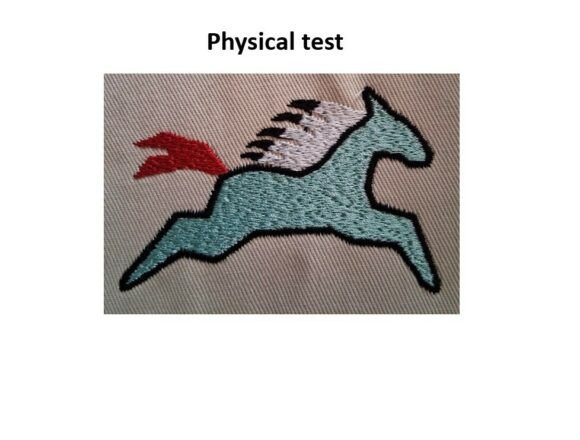
The first thing that strikes you about the Native Horse Embroidery Design is its dynamic energy. Unlike static portraits of horses, this motif captures a leaping stride. The lines are clean, suggesting a blend of modern minimalism and traditional tribal influences. For an embroidery designer, this visual personality is crucial. It does not rely on excessive detail to convey its message. Instead, it uses strong shapes and confident curves. This makes it versatile. It feels appropriate for a rugged outdoor brand, a serene nursery, or a trendy streetwear label. The mood is powerful yet graceful, which is a difficult balance to achieve in digitized art.
When I loaded the design into my software to inspect the stitch path, I looked immediately at the transition between elements. A good machine embroidery design should minimize jumps and trims to save time and reduce thread waste. While I cannot specify the exact stitch count without the specific file variant, the visual complexity suggests a moderate density. This is ideal for most home machines and commercial multi-needle setups. It avoids the pitfalls of overly dense fill stitches that can pucker lightweight fabrics, while still providing enough coverage to look substantial on heavier materials like denim or canvas.
Real-World Application: The Tote Bag Test
To truly evaluate the Native Horse Embroidery Design, I needed a practical project. I chose a heavy cotton canvas tote bag, a staple for any Etsy seller or craft business owner. Canvas is forgiving, but it also reveals poor tension control. I hooped the fabric with a medium-weight cut-away stabilizer to ensure stability during the rapid movements of the horse’s legs.
The result was impressive. The fill stitch areas laid flat, and the outlines remained crisp. Because the design features a leaping horse, the directionality matters. Placing it centrally on the tote allowed the motion to flow across the bag’s surface, creating a sense of forward movement. For a small shop product, this kind of visual impact is essential. Customers do not just buy a bag; they buy the feeling the design evokes. In this case, the feeling is one of freedom and strength. I could easily see this selling as part of a curated collection for equestrian enthusiasts or lovers of bohemian style.
Apparel and Custom Gifts
Beyond tote bags, I considered how this design would perform on custom apparel. A sweatshirt is an excellent candidate. The thick fabric supports the weight of the embroidery without requiring excessive stabilizer. Imagine this Native Horse Embroidery Design stitched on the back of a charcoal grey hoodie. The contrast between the thread colors and the dark fabric would make the horse pop. For a personalized gift, adding a name in a complementary font below the horse could elevate the item from a simple garment to a cherished keepsake.
However, caution is needed with thinner fabrics. If you attempt to stitch this on a standard t-shirt, you must use a high-quality tear-away or cut-away stabilizer. The stitch density appears sufficient to hold its shape, but on stretchy jersey knits, the fabric might pull if the hoop tension is too tight. Always test on scrap fabric first. This is non-negotiable for professional results. A ruined client shirt costs more than a few minutes of testing.
Navigating Fabric and Hoop Constraints
Not every project is a perfect fit. When working with the Native Horse Embroidery Design, you must consider the hoop size. Ensure your frame accommodates the full width and height of the leaping horse. Cropping a design like this can destroy its balance. The legs and head need space to breathe. If you are working on a cap, the curved surface presents a challenge. The design might distort if it is too wide. In such cases, scaling it down slightly and using a stiff buckram stabilizer is essential to maintain the integrity of the lines.
Fabric texture also plays a role. On textured towels or rough linen, finer details might get lost. This design relies on bold shapes, which is an advantage here. It reads well even from a distance. However, if you are using it for baby embroidery on soft muslin or flannel, ensure the thread choice is soft and the backing is comfortable against sensitive skin. Scratchy stabilizers or dense satin borders can irritate, so opt for soft touch backings and perhaps reduce the density if your software allows.
Commercial Value and Branding
For commercial embroidery professionals and digital product sellers, the versatility of this design is its strongest asset. It fits seamlessly into various niches. It works for holiday embroidery projects, perhaps incorporated into a winter-themed quilt or pillow cover. It suits embroidered patch creation, where the bold outlines can be finished with a merrowed edge for a professional look. Patches are a huge market right now, and a dynamic horse motif appeals to bikers, scouts, and fashion-forward teens alike.
From a branding perspective, consistency is key. If your craft business focuses on rustic or nature-inspired goods, the Native Horse Embroidery Design aligns perfectly. It enhances brand recognition because it is distinctive. Generic clipart designs saturate the market, but a well-digitized, stylized motif stands out. When you present this in printable mockups or social media posts, the high contrast and clear lines photograph beautifully. Good photography sells the finished product, and this design provides the visual hook needed to stop the scroll.
Designer Notes for Best Results
- Check Thread Contrast: Test different thread colors against your fabric. Monochromatic schemes look sophisticated, while contrasting colors create vibrancy.
- Stabilizer Selection: Match your stabilizer to your fabric. Cut-away for knits and stretchy materials, tear-away for woven stable fabrics.
- Verify Licensing: Before selling items made with this digital embroidery file, confirm the license terms. Most designers allow physical sales but restrict sharing the file itself.
- Inspect Small Details: Zoom in on your screen before stitching. Look for potential thread breaks in tight corners or long runs of running stitch that might need anchoring.
- Mockup Testing: Create black and white mockups to ensure the design holds its form without color reliance. This helps in assessing shape clarity.
In conclusion, the Native Horse Embroidery Design is a robust addition to any designer’s library. It balances artistic flair with technical practicality. Whether you are creating a tote bag design for a local market, a sweatshirt embroidery piece for a client, or a unique design asset for your online store, this motif delivers. It respects the limitations of the medium while pushing the boundaries of style. For makers who value quality and distinctiveness, this design is worth the hoop time.