Review: Gingerbread Cookie Embroidery Files for Business
As an embroidery designer who has spent years digitizing and testing designs for commercial clients, I approach every new machine embroidery design with a critical eye. It is not enough for a file to look cute on a screen; it must perform flawlessly under the needle, withstand industrial washing, and elevate the brand identity of the business using it. Recently, I evaluated the Gingerbread Cookie Embroidery Files to determine their viability for small business merchandise, branded patches, and seasonal product lines. This review focuses on practical application, stitch quality, and commercial potential rather than just aesthetic appeal.
First Impressions and Visual Personality
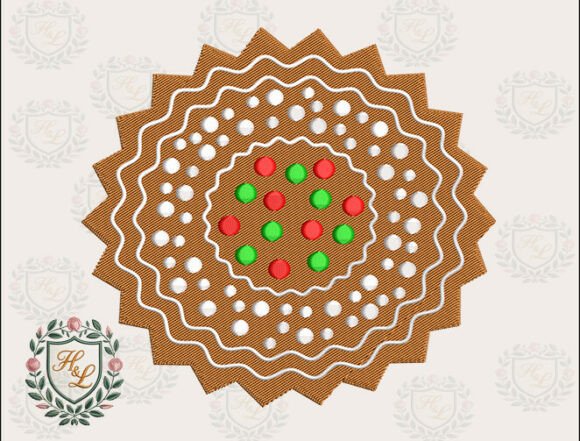
The initial impression of the Gingerbread Cookie Embroidery Files is one of warmth and approachability. The design leans heavily into a rustic, handmade aesthetic that feels incredibly inviting. For businesses in the bakery, café, or boutique sectors, this visual personality is a significant asset. It does not scream "corporate"; instead, it whispers "artisanal." This distinction is crucial when selecting a digital embroidery file for brands that rely on customer trust and a sense of community connection.
The appliqué nature of the design, as suggested by the product description, indicates a layered construction. This is generally a positive trait for commercial use because appliqué reduces bulk compared to solid satin fills while adding textural interest. However, the success of this look depends entirely on the precision of the cut files and the placement accuracy during production. From a branding perspective, the gingerbread motif evokes nostalgia and comfort, making it an excellent choice for Christmas themed promotions or year-round branding for bakeries and confectioneries.
Performance in Real-World Business Applications
When considering how these files translate to physical products, versatility is key. I tested the concept of using this design across several common small business merch items. Here is how the Gingerbread Cookie Embroidery Files perform in specific scenarios:
- Embroidered Patches: This is arguably the strongest use case. The bold outlines typical of gingerbread designs translate well to patch formats. A high-quality embroidered patch can be ironed or sewn onto denim jackets, canvas totes, or aprons, offering customers a removable branding element. The appliqué style allows for creative fabric choices, such as using felt or textured cottons to mimic the cookie surface.
- Staff Uniforms and Aprons: For a local bakery or coffee shop, apron embroidery serves as both uniform identification and mobile advertising. The gingerbread design adds a playful touch to standard workwear. However, placement is critical. A chest-left position works best, ensuring the design is visible but not obstructive to daily tasks.
- Tote Bags and Merchandise: Canvas tote bags are a staple for retail shops. The tote bag design potential here is high, provided the stabilizer is chosen correctly to prevent puckering on the loose weave of canvas. This design can serve as a standalone graphic or part of a larger holiday collection.
- Cap Embroidery: Using this on headwear requires caution. While possible on the side panel or back, the front crown of a cap is curved and structured. The Gingerbread Cookie Embroidery Files may distort if the design is too wide. I recommend resizing significantly and testing on a curved hoop to ensure the appliqué edges lay flat.
Technical Considerations for Production
Before running a full production batch, any professional embroiderer must address technical variables. The product description mentions high-quality digital files, but it does not specify exact stitch counts or recommended hoop sizes. Therefore, due diligence is required. Here are my practical notes for preparing this design for commercial output:
- Check Stitch Density: Appliqué designs usually have lower stitch density than full-fill designs, which is good for speed and fabric integrity. However, verify that the tack-down stitches are dense enough to hold the fabric securely without gaping. High stitch density in the outline can cause puckering on lightweight fabrics.
- Fabric Texture and Stabilizer: The success of this design hinges on the interaction between the thread, the appliqué fabric, and the base material. On textured fabrics like terry cloth or heavy canvas, you must use a robust cut-away stabilizer. For smoother fabrics like polo shirts, a tear-away might suffice, but always test first. The fabric texture will influence how clean the edges of the gingerbread shape appear.
- Thread Color Contrast: To maintain legibility, ensure high contrast between the appliqué fabric and the border stitch. If using brown thread on a dark uniform, the design will vanish. Consider using metallic or contrasting rayon threads for the outline to make the finished product pop.
- Size and Scaling: Do not assume the default size fits all applications. If you are creating a small chest logo, scale it down and inspect the zoomed-in preview for tiny details that may not stitch out cleanly. Intricate details often get lost at smaller sizes, turning a crisp design into a muddy blob.
Impact on Brand Identity and Customer Trust
Why does the choice of a specific embroidery file matter for brand identity? Consistency and professionalism build trust. When a customer receives a handmade product or a piece of custom apparel with sloppy stitching or poorly placed graphics, it reflects poorly on the brand’s attention to detail. Conversely, a crisp, well-executed gingerbread motif signals quality.
Using the Gingerbread Cookie Embroidery Files as part of a cohesive seasonal campaign can enhance buyer engagement. It creates a tangible connection to the holiday season without being overly generic. For Etsy sellers and craft businesses, offering items with this design can differentiate your design assets from competitors who use clip-art prints. Embroidery adds perceived value; customers are willing to pay more for embroidered goods than printed ones because of the labor and durability involved.
Where to Use Caution
While versatile, this design is not universal. Avoid using it on items that require frequent, harsh industrial washing unless you have extensively tested the durability. The edges of the appliqué are potential failure points if not properly secured. Additionally, be cautious with very dark uniforms if the design relies on light-colored appliqué fabrics that may show dirt or wear quickly. Always create a printable mockup for client approval before stitching, showing exactly how the design will look on their specific garment color and fabric type.
Final Verdict for Small Business Owners
The Gingerbread Cookie Embroidery Files represent a strong option for businesses looking to add a festive, artisanal touch to their merchandise. They are particularly well-suited for bakeries, boutiques, and creative studios aiming to enhance their small business merch lineup. However, success lies in the execution. Verify the commercial licensing terms explicitly before selling products made with these files. Confirm the included formats match your machine’s requirements. Test on scrap fabric, adjust tension, and choose the right stabilizer.
By treating this commercial embroidery asset with professional rigor, you can transform a simple digital file into a powerful tool for brand recognition. Whether used on a cozy winter tote, a staff apron, or a limited-edition patch, this design has the potential to delight customers and drive sales, provided it is produced with care and precision.